The Inner Journey of Expeditions

September 12, 2025

How time in remote environments fosters self awareness, growth and emotional resilience.

Introduction


Adventure is often seen as a physical pursuit. Yet for many, the real impact of exploration unfolds within. Remote journeys push people far beyond their comfort zones, not just in distance but in thought, emotion and awareness. Whether walking across ice fields or navigating wild terrain, expeditions offer more than challenge, they create space for reflection, clarity and profound personal change. This is the inner journey of expeditions, where solitude and nature become tools for transformation.


The Emotional Journey in Nature


Stepping into unfamiliar and often extreme environments demands both physical stamina and emotional strength. This emotional journey in nature uncovers new layers of resilience. Away from digital noise and social expectations, people reconnect with themselves. The wild becomes a mirror, reflecting thought patterns and inner dialogue that are usually drowned out in daily life. In these quiet, sometimes intense spaces, outdoor introspection begins to unfold.


Self-Discovery Through Adventure


When faced with the unpredictability of the natural world, individuals encounter a rare opportunity: to see what they are truly capable of. Self discovery through adventure is not about proving strength, but about noticing what emerges when structure falls away. It is about recognising inner fears, unspoken goals and hidden confidence. This process is the core of transformational travel experiences, learning not just about the world, but about yourself.


Wilderness Soul Searching and Clarity


Time spent in isolation can be confronting, but it also brings remarkable insight. Whether on a mountain ridge or deep within a forest, solitude has a way of stripping away distraction. Wilderness soul searching enables people to examine their values, habits and intentions with honesty. These reflective travel experiences allow for a mental and emotional reset that few environments can offer.


Mindset Shift Through Expeditions


Expeditions naturally encourage change. They often unfold in unpredictable ways, requiring flexibility and presence. This is where mindset shift expeditions play a key role. By working through discomfort, uncertainty and challenge, individuals begin to view problems differently. The lessons learned on the trail often apply to leadership, relationships and everyday decision-making. These insights are not forced, they emerge gradually, shaped by the terrain and the time taken to listen.


Expedition Self-Awareness and Growth


Without the usual distractions of modern life, there is space to observe thought patterns and emotional responses more clearly. Expedition self-awareness is cultivated through days of repetition, quiet and physical movement. Whether travelling alone or with others, the journey invites people to pay closer attention, not only to their environment but to themselves. This process leads to outdoor introspection that can spark real inner growth.


Adventure for Personal Development


For some, these journeys are planned as a challenge. For others, they begin out of curiosity. Either way, adventure for personal development is a growing trend, especially among those seeking purpose or clarity. Travelling with intention, particularly in remote and rugged settings, offers unique conditions for breakthrough thinking and behaviour change. It also creates distance from external pressures, making it easier to hear your own voice.


Leadership Transformation in the Wild


Many business leaders and professionals are turning to expedition experiences to reset. Without signals, schedules or meetings, leadership transformation expeditions enable individuals to strip back their roles and re-evaluate priorities. Often, new perspectives emerge in silence, not in strategic planning sessions but through real world challenges. Here, decision-making is practical, trust is essential and clarity is earned through doing.


Pole to Pole Personal Journey


Pole to Pole expeditions represent a spectrum of inner and outer journeys. Travelling from the edges of the Earth forces a new understanding of time, purpose and presence. These routes are more than physical crossings; they mark a personal transformation. Each stage becomes part of a broader narrative, a Pole to Pole personal journey that shapes identity and long-term mindset.


Conclusion


Travel can open the world, but it can also open the self. Through transformational travel experiences and the inner journey of expeditions, individuals find more than landscapes, they uncover meaning, confidence and clarity. Whether you seek emotional resilience, a mindset shift or simply time to reflect, the wild offers an unmatched environment for growth. In the quiet of nature, far from the familiar, the most powerful journey begins within.
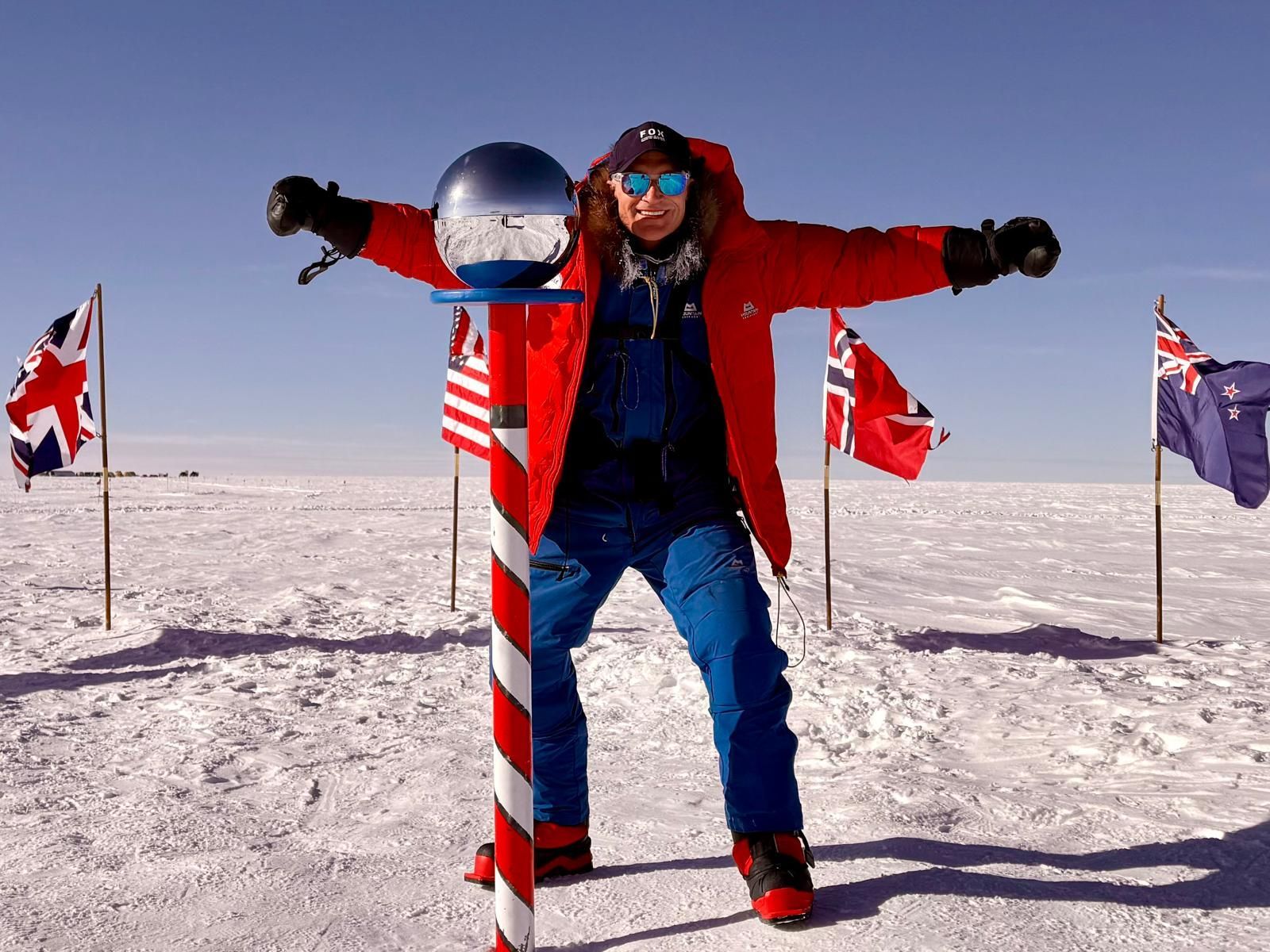
Jamie Waller at the ceremonial South Pole in Antarctica.
December 17, 2025
Jamie Waller discusses his journey to the South Pole over eight days of skiing. The highs, the lows, and everything in between, including the emotional ending.
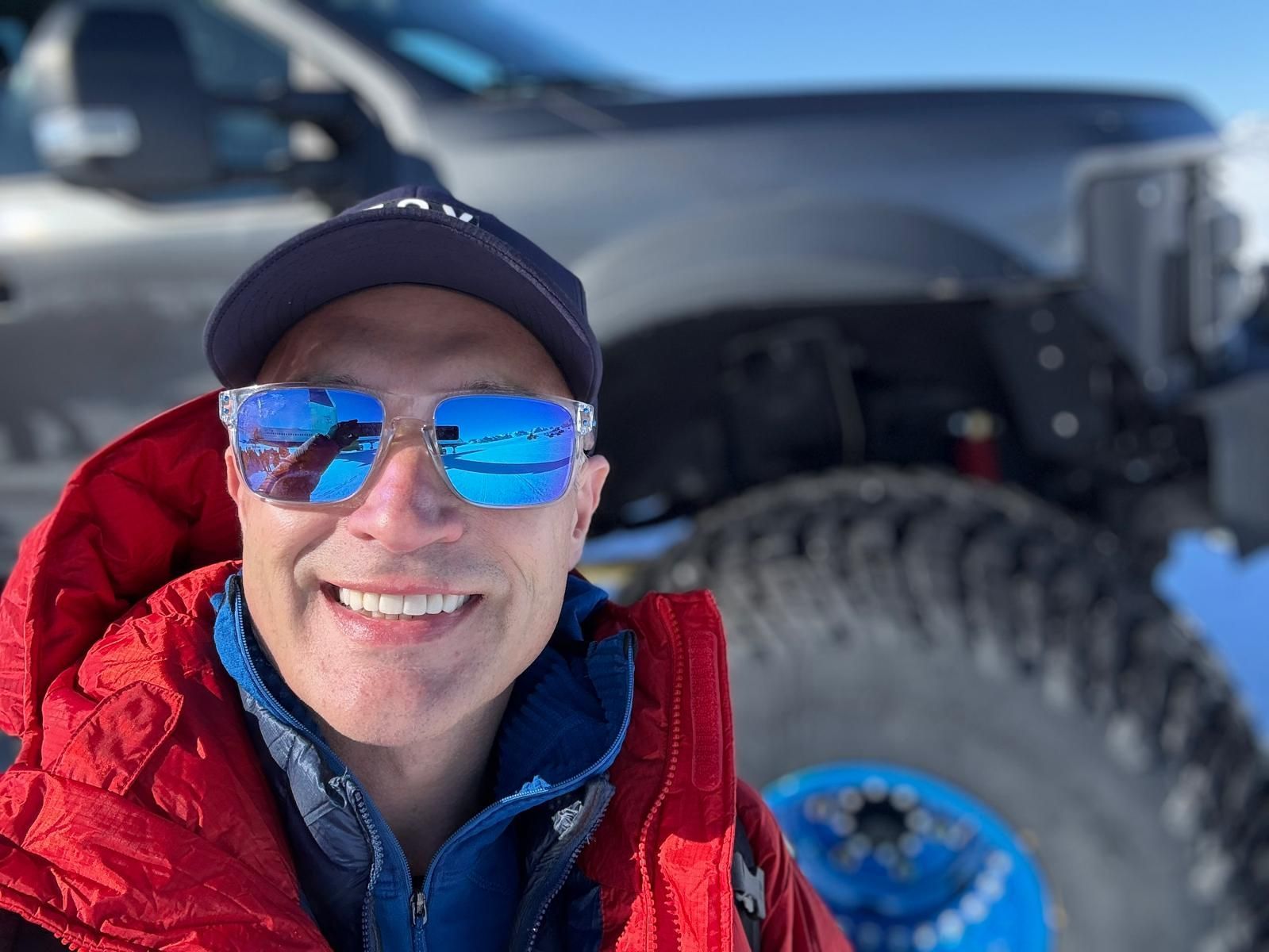
Jamie Waller stood next to a Ford F20 in Antarctica
December 17, 2025
The preparation for a South Pole Last Degree expedition in Antarctica. Discussing the equipment, sleeping, the midnight sun, the food, and prep for the expedition.
December 5, 2025
Travel to Antarctica explained. A personal journey through Punta Arenas with South Pole expedition advice, kit prep, delays, and essential early-arrival tips.
By Jamie Waller November 30, 2025
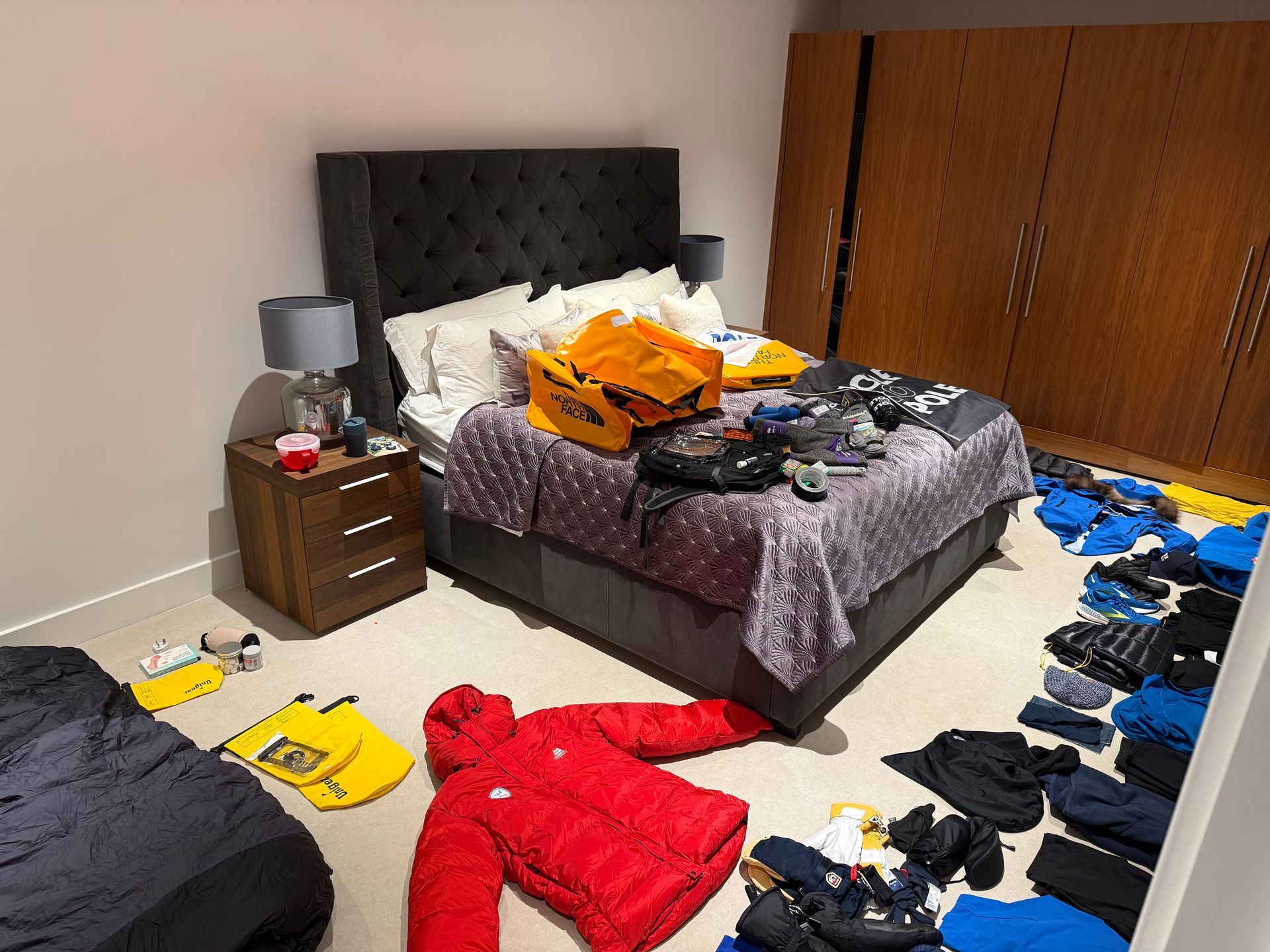
It’s the day before I set off. Or more accurately, the day before I set off on four flights, over five or six days, to reach Antarctica before the real journey begins. Only then do I start the serious bit: skiing the last degree to the South Pole. But before any of that, there have been months of preparation. And other than fitness, 90% of it has been one thing: Kit. Kit. Kit. Having the wrong kit in Antarctica isn’t an inconvenience; it’s a disaster. So I’ve spent months listening to experts, taking advice, and ordering items long before the winter season starts. If you don’t, the world’s small supply of ultra-specialist gear disappears very fast. Take my down trousers, for example. I ordered them months ago, and they arrived only a couple of days ago. The manufacturer makes just 500 pairs globally each year. You don’t want those going missing in the post two weeks before departure. Then yesterday, the down parka jacket finally arrived. Close to the wire doesn’t even begin to describe it. It’s not that I was late ordering, far from it. When I tried to buy gear for my training trip in Sweden last winter, I discovered most of it had already sold out from the season before. And because I didn’t set alerts or track stock as I should have, I ended up starting again this winter. Lesson learned. There’s a photo attached to this blog, and at first glance, it looks like an unreasonable amount of kit for three weeks away. But it’s not like packing for a holiday. Most of this is highly technical clothing you’ll wear continuously, because you are not waking up, stripping off, and stepping into a hot shower each morning. You stay layered, you stay dry, and you minimise mistakes. The truth is, most people will never use these items again. Jackets rated to -50°C. Sleeping bags built for the Arctic. Specialist boots. Expedition mitts. Thousands of pounds of equipment that will live in a loft for eternity. For Pole to Pole, I will use some of it again on the North Pole expedition, but I’ve been thinking a lot about this. There has to be a better resale or hiring market. The environmental waste alone is ridiculous. Kit testing has revealed another reality: even when you think you know your size, you probably don’t. And even when you think specialist clothing is expedition-ready, it usually isn’t. One of the most important things I’ve learned is to add long, thick, glove-friendly pull cords to every zip you rely on - jackets, vents, pockets, sleeping bags. Without them, you simply cannot operate your kit in -30° wearing -40° gloves. One brilliant tip from Sam Cox, my co-founder at Pole to Pole, was to colour-code everything. One colour for main zips. One for vents. One for pockets. Because in brutal conditions, the last thing you want is to reach for a pocket and open the front of your parka by accident. Packing cubes have also been a revelation. I used to think they were something my wife used on holiday. Now I’ve got about fourteen of them, each in different colours. A red cube for tent gear. A grey one for warm-weather items like sunscreen. One for medication. One for tools. No labels needed - you just learn the colours. Then there’s comms and power. Batteries won’t last unless they’re kept warm, so they need to be packed deep into your down layers or close to your body. I’m taking an Anker solar panel system to charge a battery pack while hauling the pulk, and then using that to power navigation and communication devices inside the tent while I sleep. No “night” in Antarctica means 24/7 charging potential. And finally: the pillow. A proper one. Not a blow-up rectangle of sadness. Another golden Sam Cox rule - because sleep is everything. Every morning, I’ll also put a clean pair of socks, a t-shirt, and anything else I want warm into my sleeping bag so it stays heated inside the down all day. Small luxuries matter. Now I’m at the dreaded weigh-in stage. One 25kg limit for the entire main bag. Food bowls, thermos, sleeping bag, mat, pillow, boots - it all counts. And there’s no point taking amazing kit if you’re told to leave half of it behind. Tomorrow I’ll find out whether I’ve nailed it or need to sacrifice something when I pack and do a weight in. Hopefully, nothing vital or nothing that makes the next three weeks slightly more tolerable.  Next stop: Heathrow.
By Jamie Waller November 27, 2025
The comfort of home versus the discomfort of adventure - adventure please.
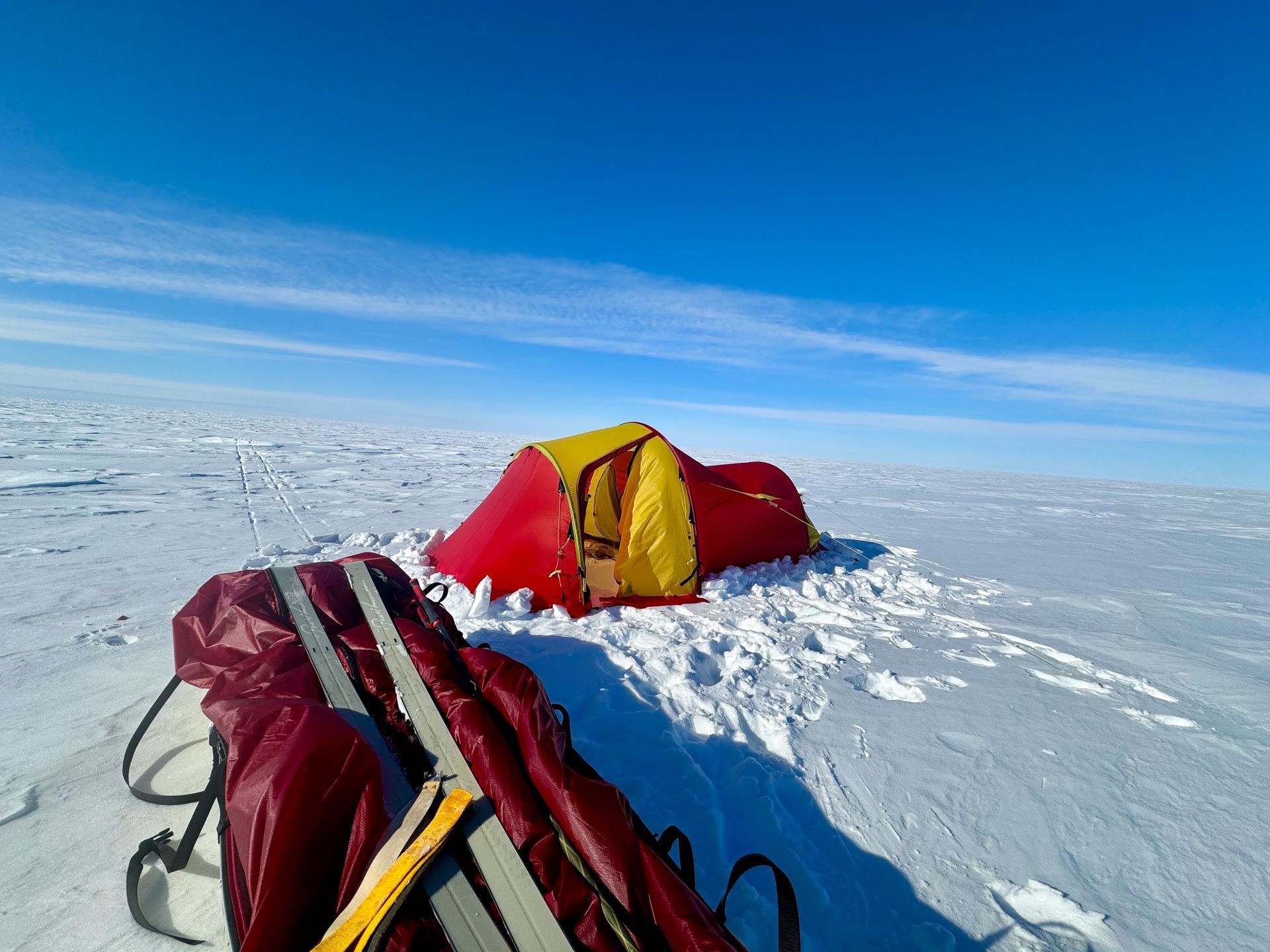
A red and yellow tent is sitting in the middle of a snowy field.
October 17, 2025
How essential expedition equipment supports resilience, mindset growth and personal transformation outdoors.
A cup of coffee , a camera , and a map are on a table.
October 10, 2025
How expedition planning builds confidence, insight and resilience through mastering logistics, self-awareness and mindset.
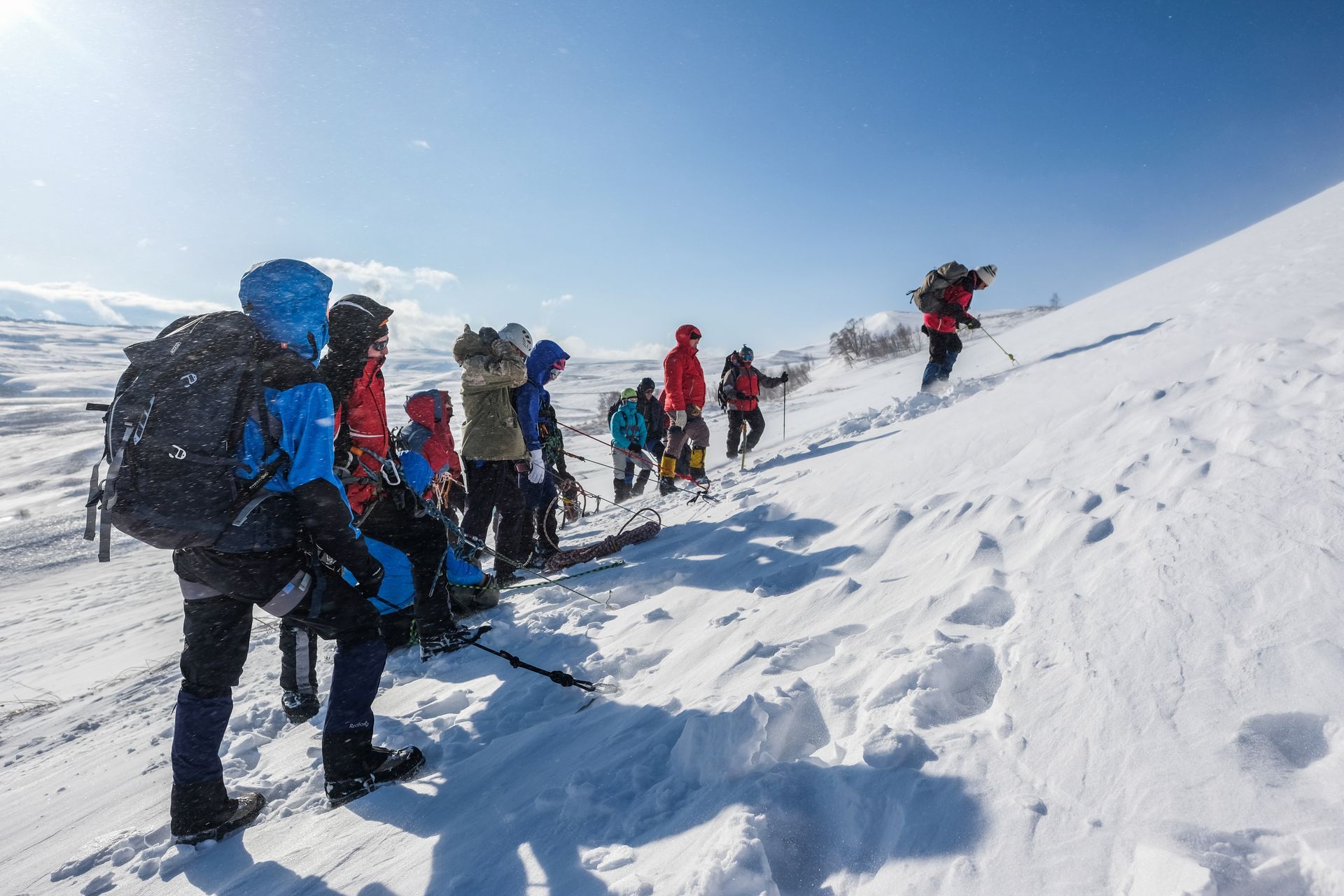
A group of people are walking up a snow covered hill.
October 3, 2025
How to prepare your body and mind for challenging expeditions with practical strategies for mental readiness and physical resilience.
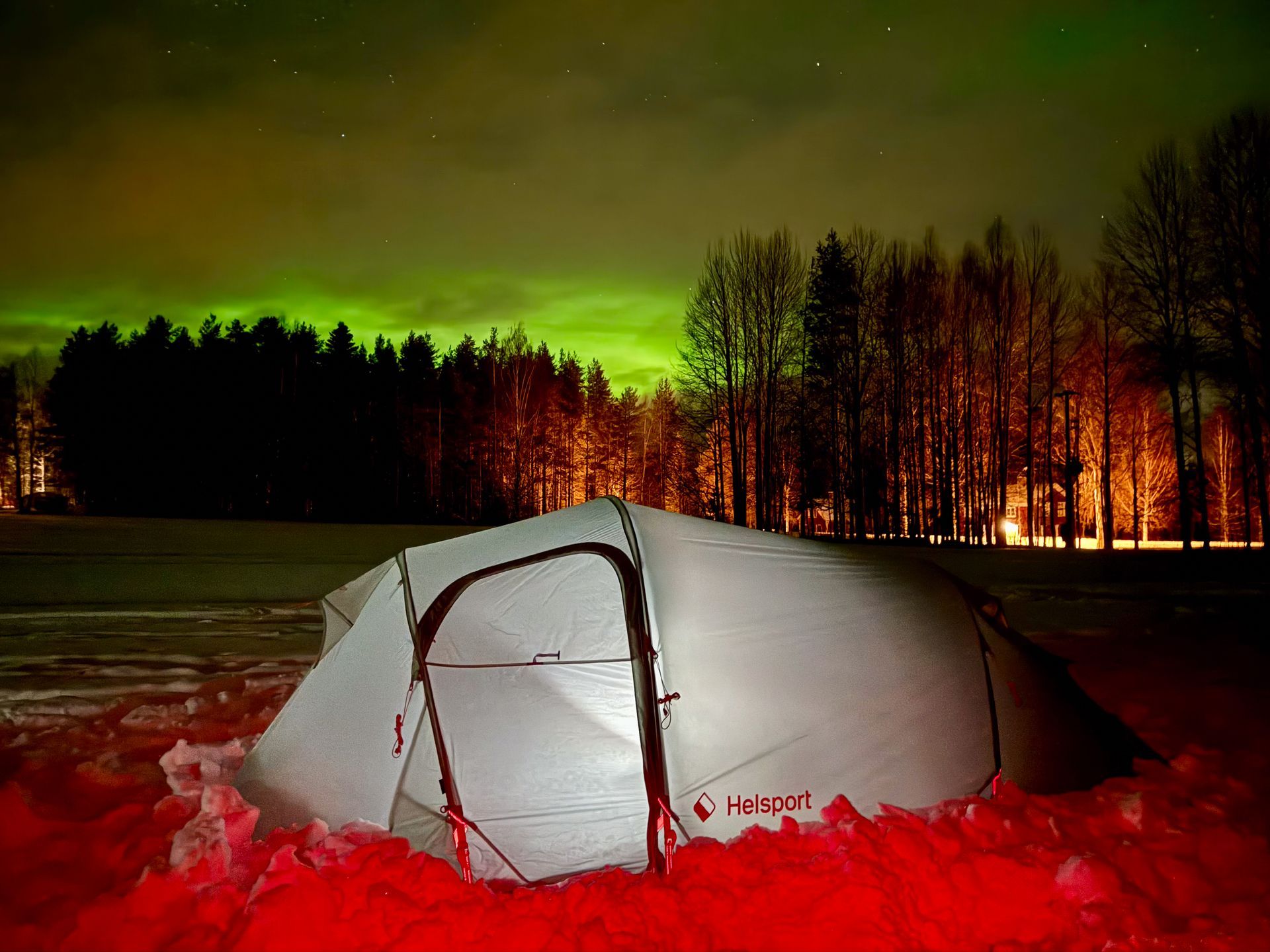
A tent is sitting in the snow with the aurora borealis in the background.
September 26, 2025
How outdoor challenges break through limiting beliefs and support mindset shifts, confidence and transformation through travel and wilderness experience.
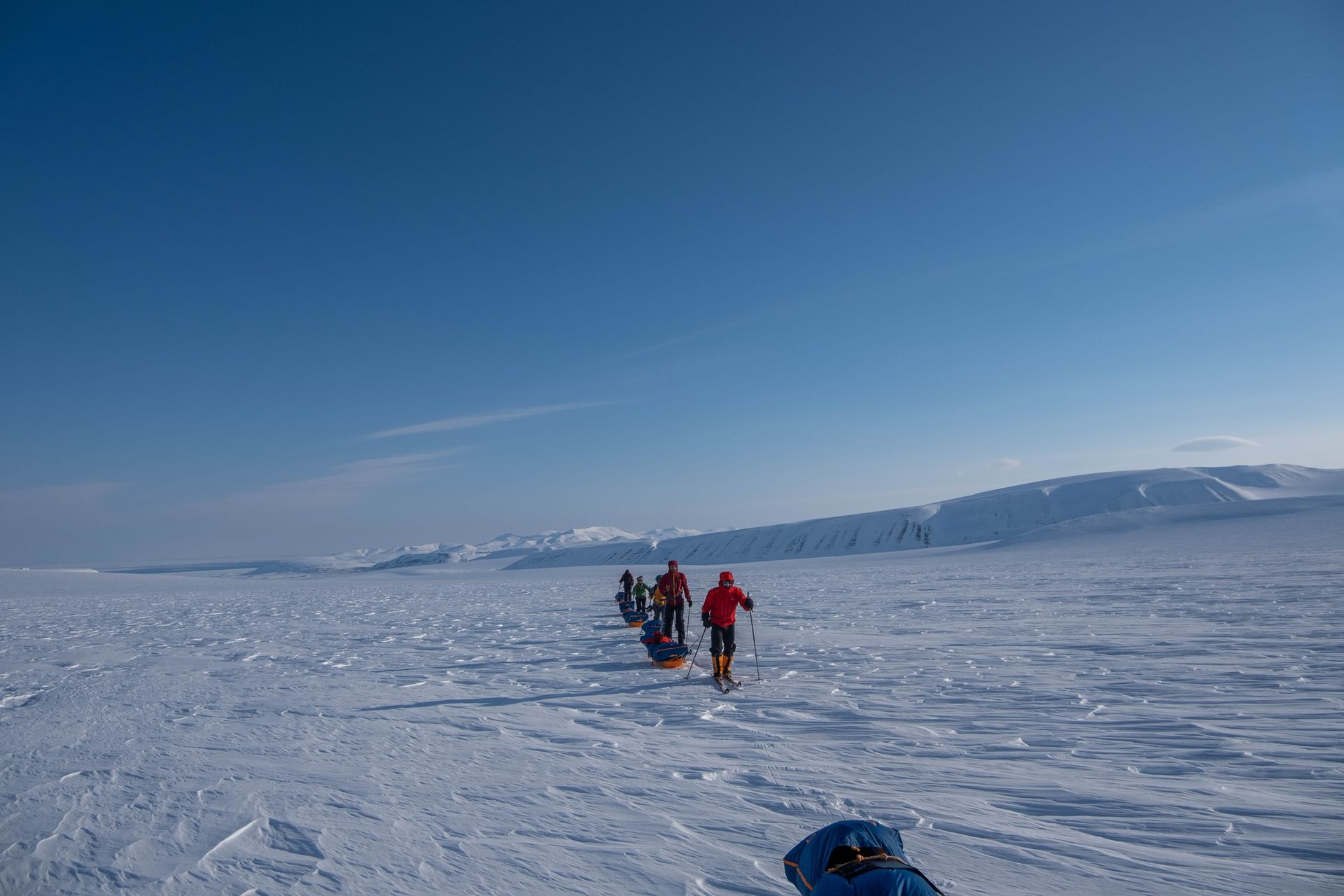
A group of people are walking through a snowy field.
September 19, 2025
How digital detox adventures and unplugged expeditions support mental clarity, wellbeing and a reconnection with the present moment.