The Last Degree to the South Pole

December 17, 2025

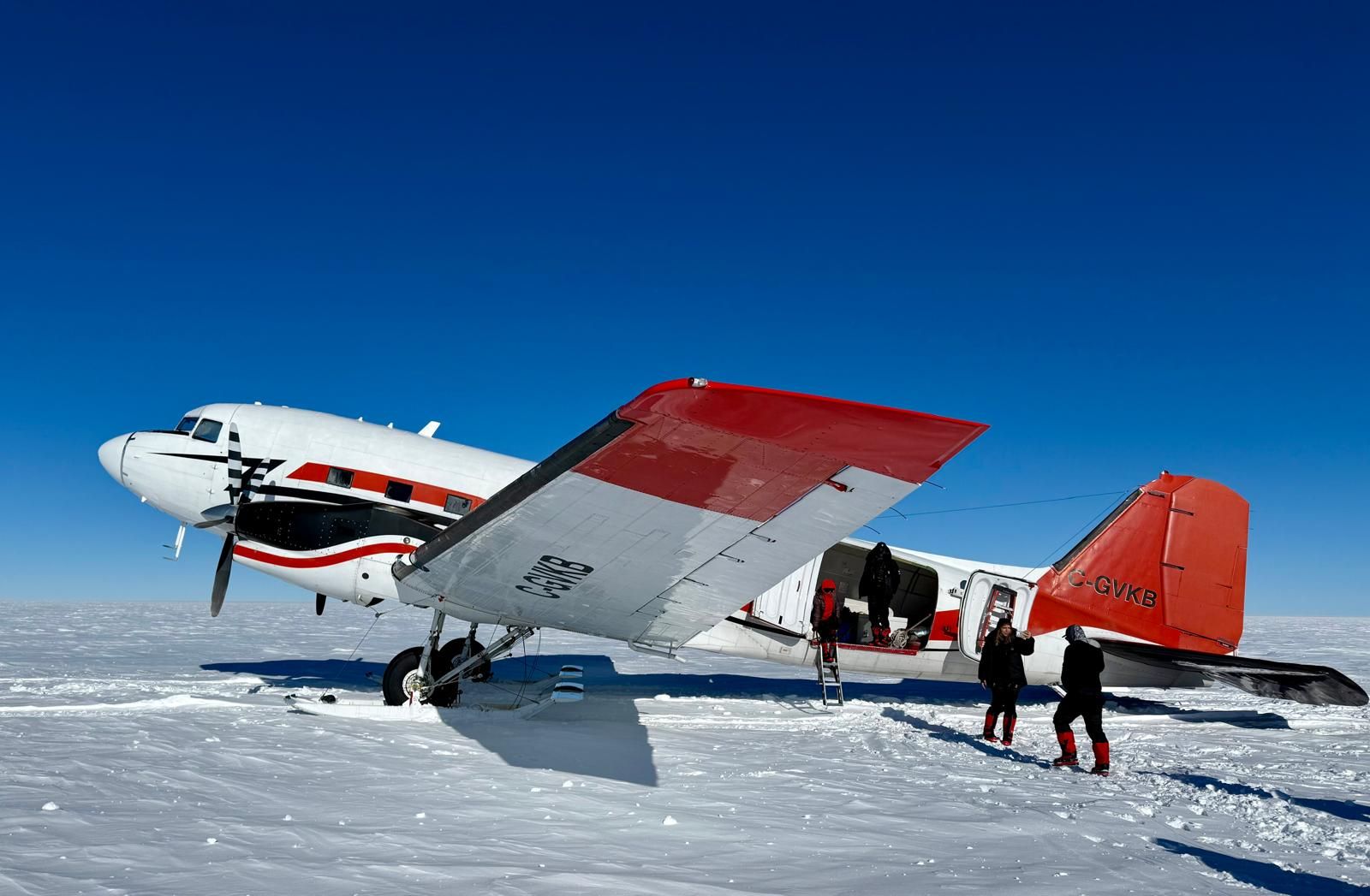
A WWII cargo plane.

Three and a half hours.

Into the unknown.


We land at 89° South and are unloaded onto the ice - a small group, dropped off and left alone, ready to ski the Last Degree to the South Pole.


No ceremony. No countdown.


Wrap every inch of exposed skin. Clip into skis. Point south.


We’re starting at an elevation of about 2,800 metres, so the altitude makes itself known quickly. Headaches for some. A dull pressure that serves as a reminder of where you are.


Day one is intentionally short - just two hours of skiing. Almost immediately, one thing becomes clear: this isn’t flat. The terrain is uneven, with sastrugi everywhere - hard, ridged snow that grips your skis and sled. This will be much more physically demanding than expected.


By 6pm, we stop and put up camp. Twenty minutes later, everyone’s in their tents. The dry run at Union Glacier pays off.


Night one is… hot.


Yes, hot.


Somehow, I’m lying in a tent in Antarctica, on top of two miles of ice, wearing nothing but boxer shorts and lying on top of my sleeping bag. It makes absolutely no sense - but I’m not complaining.


A good sleep. A dehydrated breakfast. And we’re off again.


Day Two: five hours of skiing. Then camp, repeating the night before. Another successful day in the bag.


Day Three is our first proper BAU (business as usual) day.

Start at 9am.

Ski for eight hours.

Set up camp.

Sleep.


Conditions worsen. Visibility drops to about 20 metres. The ground is firm, and the cold becomes sharper. That night, inside the tent, it feels lonely. I miss home deeply - the comfort of my wife, the girls, and the simple luxury of a cuddle. Motivation feels harder to summon. Mentally, this is the toughest point so far.


Day Four changes everything.


Wow.


I feel strong - like a JCB. And that strength stays with me right through to the end.


From here on in, the routine is locked in:


Up at 6.

Leave camp at 9.

Ski for 50 minutes.

10-minute break — protein and water.

Repeat.


Eight hours a day.


Day Six, hour seven - we see it.


The Pole.


That night, the final night in a tent on the Antarctic Plateau, feels different. It’s welcomed. The thought of a heated tent at the South Pole is enough to pull us through.


Day Seven. Same routine. Same rhythm.


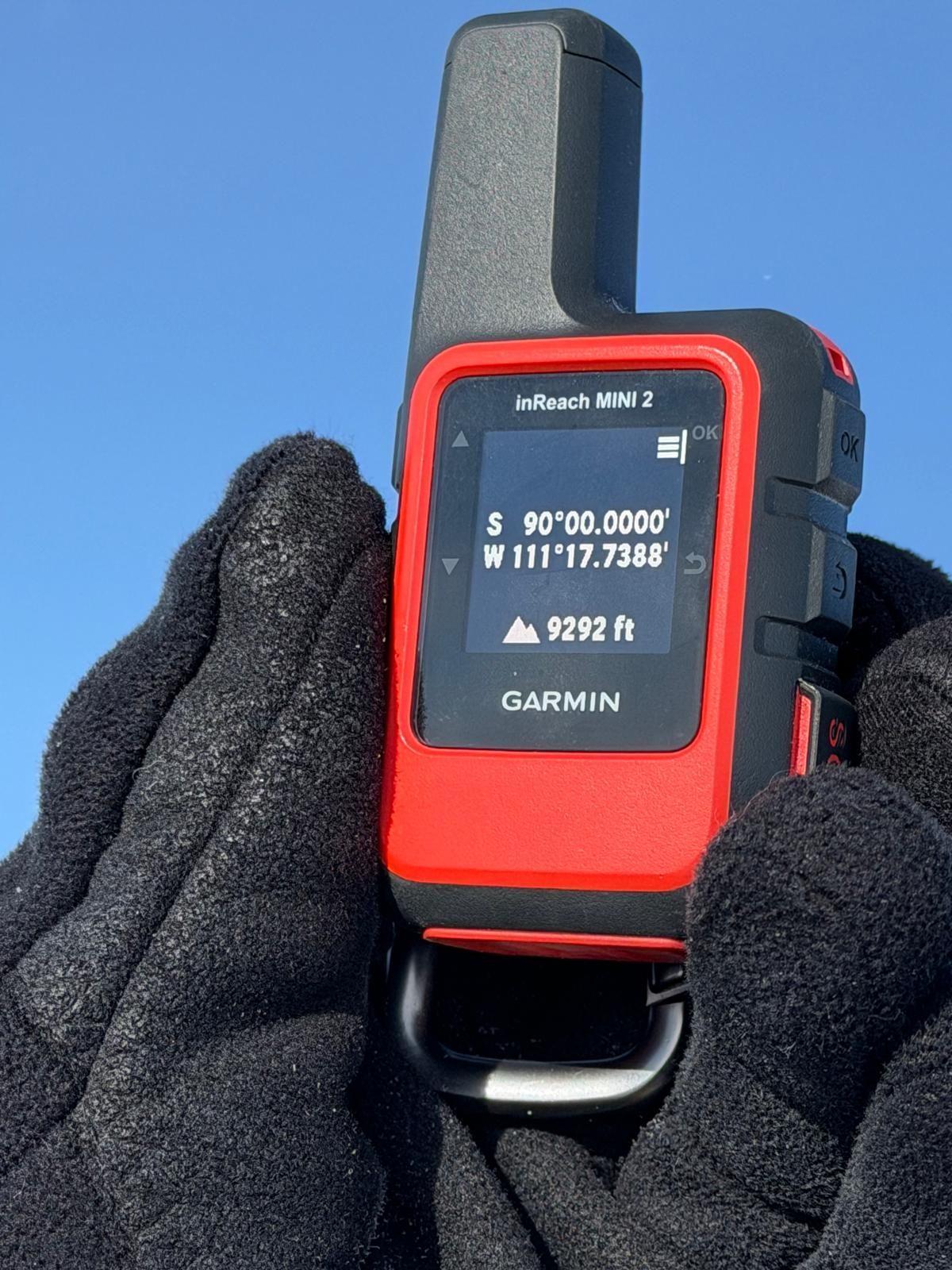
At hour five, we arrive.


The South Pole.


Emotion hits hard. Thoughts of those I love. Those I’ve lost. Life so far. It all arrives at once. I realise I’ve proven something - not to anyone else, but to the one person who mattered.


Myself.


I call my girls -  my wife and children. I send a voice note to Sam at Pole to Pole. Then I head inside for warmth. A Fanta. A hot meal. An early night. A long sat-phone call home.


The challenge?


Physical: 8/10

Mental: it depends where you let your thoughts go - anywhere from 8 to 10/10


It’s not easy. But why would it be? I’ve just skied over 100km to the end of the Earth. 

Was it worth it? Yes.

Would I do it again? Yes.

Would I recommend it? Of course.


I’m now back on the same WWII cargo plane, heading to Union Glacier - the place where it all began. The views from the window are extraordinary. The feeling inside is even better.


I just wish I didn’t miss home quite so much.


The challenge is over.

The journey isn’t.


A few more days until I’m home. I’m looking forward to darkness again - I haven’t seen night for 13 days.

Jamie Waller stood next to a Ford F20 in Antarctica
December 17, 2025
The preparation for a South Pole Last Degree expedition in Antarctica. Discussing the equipment, sleeping, the midnight sun, the food, and prep for the expedition.
December 5, 2025
Travel to Antarctica explained. A personal journey through Punta Arenas with South Pole expedition advice, kit prep, delays, and essential early-arrival tips.
By Jamie Waller November 30, 2025
It’s the day before I set off. Or more accurately, the day before I set off on four flights, over five or six days, to reach Antarctica before the real journey begins. Only then do I start the serious bit: skiing the last degree to the South Pole. But before any of that, there have been months of preparation. And other than fitness, 90% of it has been one thing: Kit. Kit. Kit. Having the wrong kit in Antarctica isn’t an inconvenience; it’s a disaster. So I’ve spent months listening to experts, taking advice, and ordering items long before the winter season starts. If you don’t, the world’s small supply of ultra-specialist gear disappears very fast. Take my down trousers, for example. I ordered them months ago, and they arrived only a couple of days ago. The manufacturer makes just 500 pairs globally each year. You don’t want those going missing in the post two weeks before departure. Then yesterday, the down parka jacket finally arrived. Close to the wire doesn’t even begin to describe it. It’s not that I was late ordering, far from it. When I tried to buy gear for my training trip in Sweden last winter, I discovered most of it had already sold out from the season before. And because I didn’t set alerts or track stock as I should have, I ended up starting again this winter. Lesson learned. There’s a photo attached to this blog, and at first glance, it looks like an unreasonable amount of kit for three weeks away. But it’s not like packing for a holiday. Most of this is highly technical clothing you’ll wear continuously, because you are not waking up, stripping off, and stepping into a hot shower each morning. You stay layered, you stay dry, and you minimise mistakes. The truth is, most people will never use these items again. Jackets rated to -50°C. Sleeping bags built for the Arctic. Specialist boots. Expedition mitts. Thousands of pounds of equipment that will live in a loft for eternity. For Pole to Pole, I will use some of it again on the North Pole expedition, but I’ve been thinking a lot about this. There has to be a better resale or hiring market. The environmental waste alone is ridiculous. Kit testing has revealed another reality: even when you think you know your size, you probably don’t. And even when you think specialist clothing is expedition-ready, it usually isn’t. One of the most important things I’ve learned is to add long, thick, glove-friendly pull cords to every zip you rely on - jackets, vents, pockets, sleeping bags. Without them, you simply cannot operate your kit in -30° wearing -40° gloves. One brilliant tip from Sam Cox, my co-founder at Pole to Pole, was to colour-code everything. One colour for main zips. One for vents. One for pockets. Because in brutal conditions, the last thing you want is to reach for a pocket and open the front of your parka by accident. Packing cubes have also been a revelation. I used to think they were something my wife used on holiday. Now I’ve got about fourteen of them, each in different colours. A red cube for tent gear. A grey one for warm-weather items like sunscreen. One for medication. One for tools. No labels needed - you just learn the colours. Then there’s comms and power. Batteries won’t last unless they’re kept warm, so they need to be packed deep into your down layers or close to your body. I’m taking an Anker solar panel system to charge a battery pack while hauling the pulk, and then using that to power navigation and communication devices inside the tent while I sleep. No “night” in Antarctica means 24/7 charging potential. And finally: the pillow. A proper one. Not a blow-up rectangle of sadness. Another golden Sam Cox rule - because sleep is everything. Every morning, I’ll also put a clean pair of socks, a t-shirt, and anything else I want warm into my sleeping bag so it stays heated inside the down all day. Small luxuries matter. Now I’m at the dreaded weigh-in stage. One 25kg limit for the entire main bag. Food bowls, thermos, sleeping bag, mat, pillow, boots - it all counts. And there’s no point taking amazing kit if you’re told to leave half of it behind. Tomorrow I’ll find out whether I’ve nailed it or need to sacrifice something when I pack and do a weight in. Hopefully, nothing vital or nothing that makes the next three weeks slightly more tolerable.  Next stop: Heathrow.
By Jamie Waller November 27, 2025
The comfort of home versus the discomfort of adventure - adventure please.
A red and yellow tent is sitting in the middle of a snowy field.
October 17, 2025
How essential expedition equipment supports resilience, mindset growth and personal transformation outdoors.
A cup of coffee , a camera , and a map are on a table.
October 10, 2025
How expedition planning builds confidence, insight and resilience through mastering logistics, self-awareness and mindset.
A group of people are walking up a snow covered hill.
October 3, 2025
How to prepare your body and mind for challenging expeditions with practical strategies for mental readiness and physical resilience.
A tent is sitting in the snow with the aurora borealis in the background.
September 26, 2025
How outdoor challenges break through limiting beliefs and support mindset shifts, confidence and transformation through travel and wilderness experience.
A group of people are walking through a snowy field.
September 19, 2025
How digital detox adventures and unplugged expeditions support mental clarity, wellbeing and a reconnection with the present moment.
Three people are walking down a snow covered road.
September 12, 2025
How transformational travel and remote expeditions support self-discovery, personal growth and inner transformation through nature.